The Bloat-Free Blueprint for Digestive Balance.
Bloating can reflect fermentation, constipation, food intolerance, swallowed air, visceral sensitivity, or changes in how the abdominal wall responds after meals. The best starting point is to track the pattern, support regular digestion, and test one trigger at a time rather than remove entire food groups.
Why does bloating feel so dramatic?
Bloating can feel dramatic after a meal, sometimes enough to notice a real change in how your clothes fit. It is easy to try teas, probiotics or cutting out dairy without ever identifying the pattern. A more useful approach is to look at the common causes of bloating: timing, portions, bowel habits, food tolerance and the habits around each meal. That same practical approach shapes this blueprint.
Bloating is a sensation of fullness, pressure or trapped gas. Distention is a visible increase in abdominal size. AGA clinical guidance recommends evaluating the pattern instead of assuming one universal cause.

| Possible contributor | What it can look like |
|---|---|
| Gut and motility | Dysbiosis, constipation, difficult evacuation, altered gas handling or sluggish motility. Suspected low stomach acid or sluggish bile flow require evaluation rather than self-diagnosis. |
| Food intolerance | Lactose, fructose, fructans and other fermentable carbohydrates may trigger symptoms in susceptible people. |
| Meal pattern | Large portions, fast eating, swallowed air and early fullness can create pressure soon after eating. |
| Metabolic context | Refined carbohydrates can affect post-meal glucose and appetite, but blood sugar is not the only cause of bloating. |
| Diet quality | Ultra-processed foods, gums, emulsifiers and sugar alcohols may aggravate symptoms for some people. Pesticide exposure is a separate issue and is not a proven explanation for routine bloating. |
"Most people start cutting foods before they know the pattern. Track it for a week first — timing, portions, how you feel after — and you usually end up restricting far less than you feared."
— Joanna Bacchus, Certified Nutritional Advisor and Founder, BIOSTRIPS®

Which food triggers should you test first?
Healthy foods can still be uncomfortable when the portion or carbohydrate type does not suit you. Use a short trial, then reintroduce foods so the plan does not become unnecessarily restrictive. Many people find their low-FODMAP food triggers matter more than any single "bad" food.
| Common concern | A more precise approach |
|---|---|
| Wheat and gluten | Test wheat only when it repeatedly causes symptoms. In IBS, fructans may be the trigger rather than gluten. Complete celiac testing before going gluten-free. |
| Cow dairy | Symptoms are more often linked with lactose or individual protein tolerance than with antibiotics or growth hormones. Test lactose or use professional breath testing before removing all dairy. |
| Artificial sweeteners | Sorbitol, xylitol and related polyols can cause gas, bloating or loose stools, especially at higher amounts. |
| High-FODMAP foods | Onions, garlic, legumes, asparagus, artichokes and some fruits can ferment in the gut. A dietitian-guided low-FODMAP phase can identify personal tolerance. |
| Refined sugar and processed foods | Reduce heavily processed foods when they displace fibre, protein and regular meals. Do not assume that seed oils automatically kill gut bacteria or directly cause bloating. |
| Organic food and produce washing | Organic is a personal choice, not a treatment. Glyphosate should not be presented as the proven cause of an individual's bloating. Wash produce under running water; FDA does not recommend soap or homemade produce washes. |
Which foods, herbs and supplements actually help?
Foods, herbs and supplements can all appear in a bloating routine, but their roles are not equal. Use the evidence, safety profile and your personal symptoms to decide which digestive-support ingredients belong in your routine.
| Support | Evidence-aware use |
|---|---|
| Ginger, lemon and peppermint | Ginger may support gastric emptying in functional dyspepsia. Enteric-coated peppermint oil has short-term IBS evidence but may worsen reflux. Lemon water is mainly a hydration and flavour choice. |
| Fennel, chamomile and holy basil | These can be used as soothing teas if tolerated, but direct evidence for chronic bloating is limited. |
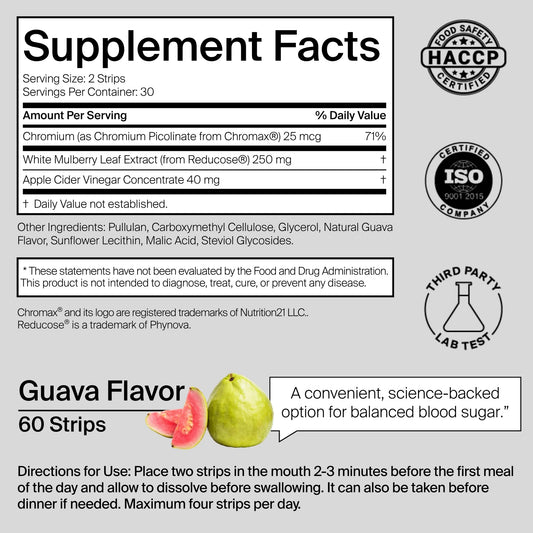
| Apple cider vinegar, cinnamon and chromium | Vinegar and chromium have been studied for post-meal glucose metabolism. Vinegar should be diluted and avoided when it aggravates reflux. These are not universal digestive treatments. |
| Licorice root | Digestive evidence is unclear. Glycyrrhizin-containing products can affect blood pressure, potassium and heart rhythm, so review the product and medications with a clinician. |
| Digestive enzymes and bitters | Most useful when a specific problem is identified, such as lactase for lactose intolerance. Broad blends are not automatically needed. |
| Magnesium | May support bowel regularity when constipation is present. Supplemental magnesium can also cause diarrhea and cramping, so the elemental dose and form matter. |
| Probiotics, prebiotics and fermented foods | Responses vary. AGA does not recommend probiotics specifically for bloating. Products may contain Lactobacillus or Bifidobacterium, but strain-level evidence matters. Asparagus, artichokes, garlic, onions, sauerkraut, kimchi and kefir may help or aggravate symptoms depending on tolerance. |
| L-glutamine, aloe vera and bone broth | Glutamine and aloe should not be treated as universal, one-size-fits-all supplements. The positive glutamine trial used 5 g three times daily in postinfectious IBS-D, and aloe products differ in safety. Bone broth is a food, not a proven gut-lining treatment. |
| BIOSTRIPS® Glucose Support | For adults using pre-meal metabolic support, take two strips 2 to 3 minutes before a meal to support healthy carbohydrate metabolism and a healthy post-meal glucose response, following package directions. This is a metabolic support, not a bloating treatment. |
What does a daily anti-bloat routine look like?
Build the routine around habits you can repeat:
- Morning: hydrate and choose a protein-forward first meal. A 30 to 40 gram protein target may suit some adults, but individual needs vary. Add tolerated fibre, ginger or lemon.
- Before meals: slow down, chew thoroughly and consider smaller portions when large meals trigger pressure. Diluted vinegar is optional, not required.
- After meals: take a 10 to 15-minute walk and use slow diaphragmatic breathing if abdominal tension rises.
- Evening: review your food, symptoms and bowel log, then protect sleep and regular meal timing.
- Movement: strength training supports general metabolic health. Intermittent fasting is optional and can worsen symptoms for some people.
Drink safe water and use filtration where local water quality or taste warrants it. Normal fluids with meals do not need to be avoided.
Popular but not established for digestive bloating: salt under the tongue, baking-soda water, castor-oil packs, castor oil in the belly button, dry brushing and lymphatic massage. Gentle massage may feel relaxing, but these practices should not be framed as gut detox or treatment.

How do you remove, repair, and rebuild in seven days?
A practical starting plan — a simple remove, repair and rebuild plan can be organized into three clear steps:
| Step | What to do |
|---|---|
| REMOVE | Reduce sugar alcohols, heavily processed foods and one suspected trigger at a time. Do not automatically cut wheat, dairy, seed oils or every high-FODMAP food. |
| REPAIR | Support regular meals, protein, hydration, constipation care and tolerated fibre. Ginger or enteric-coated peppermint may be reasonable in the right context. Use glutamine, aloe, magnesium or enzymes only with condition-specific guidance. |
| REBUILD | Reintroduce foods systematically. Add tolerated fermented or prebiotic foods, maintain walking and strength work, and track energy, cravings, digestion, sleep and bowel habits. |
Use cinnamon, vinegar, chromium or BIOSTRIPS® Glucose Support only for their appropriate metabolic-support role, not as a promise to prevent bloating.
Seek care for persistent or progressive distention, severe pain, vomiting, fever, blood in the stool, anemia, unexplained weight loss, nighttime symptoms or a major change in bowel habits.
Frequently Asked Questions
Why does my stomach look more bloated after eating?
Visible distention can result from constipation, fermentation, visceral sensitivity or an altered abdominal-muscle response after meals. Immediate swelling is not always caused by excess gas. Track timing, portions, bowel movements and associated pain, then seek evaluation when the pattern persists.
Should I remove gluten and dairy first?
Not automatically. Dairy symptoms may reflect lactose intolerance, while wheat symptoms can come from fructans rather than gluten. Test one category at a time and complete celiac testing before going gluten-free. Broad elimination can create nutritional gaps without revealing the real trigger.
Which foods and herbs are most practical to try?
Start with tolerated whole foods, adequate protein, gradual fibre and regular hydration. Ginger or peppermint may help selected digestive symptoms, while fennel, chamomile and holy basil have less direct evidence. Prebiotic and fermented foods should be introduced according to tolerance.
Do probiotics, enzymes, aloe or glutamine repair the gut?
No single product repairs every cause of bloating. Probiotics are not recommended specifically for bloating by AGA. Enzymes work best for defined deficiencies. Aloe and glutamine have condition-specific research and safety considerations, so they should not be treated as universal solutions.
When should bloating be medically checked?
Arrange medical evaluation when bloating is persistent, progressively worse or accompanied by severe pain, vomiting, fever, blood in the stool, anemia, unexplained weight loss, nighttime symptoms or a major bowel-habit change. New, fixed or tender abdominal swelling also deserves prompt attention.
Final Takeaway
The goal is not a perfectly flat stomach or a rigid detox. It is a calmer, more predictable digestive routine. Start with one week of slower meals, regular movement, bowel-pattern tracking and one carefully chosen food trial. Use supplements only when the evidence, dose and safety fit your situation. Keep nourishing foods whenever possible, reintroduce what you tolerate and ask for medical help when symptoms are persistent or changing. Your plan should become more personal, not more restrictive.
This article is educational and not a substitute for professional medical advice. Speak with a qualified healthcare professional before using supplements, making restrictive dietary changes or treating persistent digestive symptoms.
Sources
- Clinical guidance — AGA, Evaluation and management of abdominal bloating and distention: PMID 37452811
- Low-FODMAP diet and IBS symptoms: PMID 34376515
- Fructans, gluten and IBS symptoms: PMID 35063241
- Xylitol and gastrointestinal tolerance: PMID 16988647
- Peppermint oil and IBS: PMID 24100754
- Ginger and gastric emptying: PMID 21218090; PMC3016669
- L-glutamine in postinfectious IBS-D: PMID 30108163; PMC9549483
- Aloe vera and IBS: PMID 30153721; PMC6175553
- Vinegar and post-meal glucose: PMID 28292654
- Safety and practical guidance: FDA — Selecting and serving produce safely; NCCIH — Aloe vera safety; NCCIH — Licorice root safety; NIH ODS — Magnesium [BIOSTRIPS team: hyperlink these agency pages]
Research note: Studies cited here evaluated specific conditions, preparations and populations. Findings should not be generalized to every cause of bloating or to the finished BIOSTRIPS® product.
BIOSTRIPS® is a category-defining brand in oral dissolving nutrient strips, founded in 2019 by Certified Nutritional Advisor Joanna Bacchus. A brand of Elsantis US Inc., BIOSTRIPS brought its first strips to market in 2022 and develops sugar-free, vegan formulations using clinically studied, branded ingredients. Learn more at joannabacchus.com.
This statement has not been evaluated by the Food and Drug Administration. This product is not intended to diagnose, treat, cure, or prevent any disease.