The Smart Traveler's Energy and Jet Lag Guide
Travel feels better when hydration, meals, movement, light and sleep are planned around the destination rather than left to chance. Arrive normally hydrated, pack protein and comfort essentials, move during long trips, use light and caffeine strategically, keep naps short, and rebuild your local routine after returning home.
Before You Travel: Prepare the Body Clock and Carry-On
Travel fatigue is rarely caused by one thing. Sleep loss, rapid time-zone changes, irregular meals, long periods of sitting and an unfamiliar routine can all contribute. Begin the day or two before departure by sleeping normally, eating regular meals and arriving at the airport comfortably hydrated. There is no need to force excessive water.
CDC jet lag guidance suggests moving bedtime about one hour earlier before eastward travel or later before westward travel for two to three days when schedules allow. Even a partial shift can make the destination feel less abrupt.
- 48 to 24 hours before: Maintain normal fluid intake, reduce avoidable sleep debt and begin moving meals and bedtime toward destination time when practical.
- Packing: Build four small kits for hydration, protein, comfort and children instead of scattering essentials through the suitcase.
- During the flight: Set your watch to destination time, time sleep and meals accordingly, drink normally and move every one to two hours on long trips.
- After landing: Use local daylight, a protein-forward meal and a short nap only when needed. Avoid a long daytime sleep that delays local bedtime.
- Returning home: Repeat the same process in reverse: local light, regular meals, strategic caffeine and an early return to your usual sleep schedule.
Pack Smart: Hydration, Protein, Comfort and Family Essentials
Airport choices are easier when the carry-on already contains the basics. Pack only what you will actually use, keep liquids within local security rules and place the most important items where they can be reached without unpacking the entire bag.

Hydration kit
- Empty reusable bottle to fill after security.
- Optional low-sugar or sugar-free electrolyte packets for long travel, heavy sweating or limited food intake.
- A salt packet only when it fits your medical needs. Salt under the tongue does not hydrate better than drinking water.
Protein essentials
- Single-serve protein powder sachets.
- Nut butter packets or a compact protein bar.
- A protein-based breakfast or snack plan for adults and children rather than relying on sugary airport options.
Comfort and sleep kit
- Eye mask, soft blanket or wrap, fresh socks and noise-canceling headphones or earplugs.
- Neutral-support neck pillow, moisturizer or squalane, lip balm and lubricating eye drops if normally used.
- Soft loungewear or pajamas for an overnight flight.
For children
- Pajamas, favorite stuffed animal and familiar eye mask.
- Preloaded audiobooks or quiet entertainment.
- Small protein-containing snacks and a travel pillow for delays.
Portable supplement routine: BIOSTRIPS® Energy and Immune Support strips can be packed as compact, individually wrapped, water-free options. Use the current product label as the source of truth for availability, serving size, timing, ingredients and warnings. Their travel advantage is portability and ease of use, while individual experiences and timing can vary. See the full range of oral dissolving supplement strips.
At the Airport and On the Plane: Move, Moisturize and Protect Sleep
Security and cabin routines should reduce stress, not create new fears. Current airport screening technology and the dry cabin environment are often misunderstood.

Airport scanner fact check: Current millimeter-wave screening systems use non-ionizing energy, and FDA states that compliant systems have no known adverse health effects. Even general-use x-ray screening systems deliver an extremely low dose. TSA permits most travelers to request a pat-down as an alternative, but routine scanner exposure is not known to create a cumulative health danger. FDA security-screening guidance provides the radiation and millimeter-wave safety context.
The in-flight routine
- Change into comfortable loungewear or pajamas on an overnight flight, add fresh socks and use graduated compression stockings only when appropriate for the trip and your health history.
- Set the cabin environment for sleep: dim screens, use an eye mask and headphones or earplugs, and choose a neck pillow that keeps the head closer to neutral rather than folding forward.
- A slight seat recline may improve comfort when permitted, but regular movement matters more. On trips longer than four hours, flex the ankles and walk every one to two hours when safe.
- Avoid using alcohol as a sleep aid. It may shorten the time it takes to fall asleep but can fragment later sleep. Keep substantial caffeine away from the planned destination bedtime.
- Use lavender only as an optional scent cue. Inhale it or use a properly diluted product rather than applying undiluted essential oil to pulse points, and skip it if fragrance triggers headache, cough or skin irritation.
What dry cabin air actually does: Cabin humidity is commonly around 10 to 20 percent. It can dry the eyes, nose, throat and skin, but low humidity alone does not automatically cause systemic dehydration in a healthy traveler. Drink a normal amount of fluid, moisturize before or during the flight, and consider glasses instead of contact lenses if dry eyes are a problem.
At Your Destination: Use a 24-Hour Reset Instead of a Long Nap
Jet lag improves when the new local time controls light, meals, movement and sleep. Exact light timing depends on whether you traveled east or west and how many time zones you crossed, so complicated trips may benefit from an individualized jet lag calculator.

| Local window | Light and movement | Food and fluids | Sleep and caffeine |
|---|---|---|---|
| After waking | Go outside soon after local waking when the timing fits your route. Take a short walk. | Drink water normally and eat a protein-forward breakfast. | Use caffeine early in the local day if needed, not close to bedtime. |
| Midday | Stay active and seek daylight rather than remaining in a dark hotel room. | Choose regular meals; peppermint tea may be soothing for some people, but it is not a jet lag treatment. | If sleepiness is overwhelming, use a 20 to 30-minute nap. |
| Evening | Lower bright light and screen intensity as local bedtime approaches. | Limit alcohol and sugary sodas. Chamomile tea can be a comforting ritual, although evidence for insomnia is limited. | Stop substantial caffeine at least six hours before the intended bedtime. |
| Night | Use blackout curtains, an eye mask and a quiet room. | Keep water nearby for comfort, not forced drinking. | Slow breathing, including a comfortable 4-7-8 pattern, may help you settle. It is a relaxation cue, not a guaranteed sleep treatment. |
Nap correction: Do not default to a three- or four-hour daytime nap after crossing multiple time zones. CDC guidance favors short naps because lengthy daytime sleep can make local nighttime sleep harder. A longer recovery sleep may occasionally be needed after major sleep loss, but timing should be deliberate and not close to local bedtime.
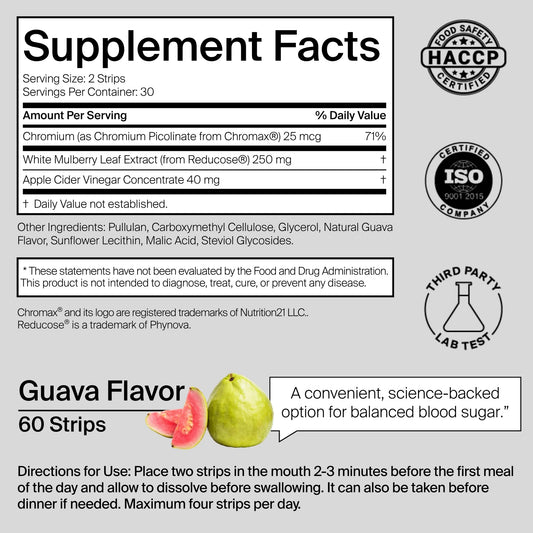
Smart energy and first-morning routine: A BIOSTRIPS® Glucose support strip may keep an energy-support routine portable during a flight or after landing when used according to the current label. The first local morning can include water, a protein-packed breakfast, and 20 minutes outside. For children, keep the bedtime routine familiar, offer a protein-based breakfast they will actually eat, and keep snacks and a pillow available for delays.
Returning Home: Reset and Recover Without Losing Another Day
The return trip deserves the same planning as the outbound flight. Fatigue is usually worse when people arrive home, sleep at random hours, skip meals and try to repair the day with repeated caffeine.
- Return to local morning light, normal hydration and a protein-forward breakfast as soon as practical.
- Keep a regular local bedtime and use only a brief daytime nap if alertness is unsafe.
- There is no evidence-based requirement to avoid caffeine for a full 24 hours. Use it early in the local day and stop at least six hours before bedtime.
- Continue movement after long periods of sitting. Seek medical help promptly for unexplained one-sided leg swelling, warmth or pain, chest pain or sudden shortness of breath.
- BIOSTRIPS® Energy strips may be used according to the current label as part of a portable routine, but they do not replace sleep, food, fluid or medical evaluation for persistent fatigue.
The travel system is simple: prepare before departure, pack the essentials, align the flight with destination time, use local light after arrival and repeat the process when you come home. A travel-ready wellness routine is not about eliminating every symptom of travel. It is about reducing preventable friction so you arrive more functional and recover sooner.
Frequently Asked Questions
Do flights actually dehydrate you?
Aircraft cabins are very dry and can leave your eyes, nose, throat and skin feeling parched. However, low humidity alone does not usually cause meaningful whole-body dehydration in a healthy traveler. Drink normally, limit excess alcohol, moisturize and use eye drops when appropriate rather than forcing large volumes of water.
What is the most effective way to reduce jet lag?
Time light, sleep, meals and caffeine around the destination. When possible, shift bedtime gradually before departure, set your watch to local time during the flight, seek appropriately timed daylight after arrival and keep naps to about 20 to 30 minutes. Exact light timing varies by route.
Should I avoid airport body scanners?
Routine airport screening is not known to create a dangerous cumulative radiation exposure. Millimeter-wave systems use non-ionizing energy, and compliant systems have no known adverse health effects. Most travelers may request a pat-down instead, although enhanced-screening rules can limit that option in some circumstances.
Do I need compression socks for a long flight?
Most travelers have a low absolute risk of a travel-related blood clot, but risk rises with immobility and personal factors. Move every one to two hours and flex your ankles. Graduated compression stockings may help some travelers, especially those at higher risk, but sizing and use should be discussed professionally.
How should BIOSTRIPS® fit into a travel routine?
Pack individually wrapped strips with the part of the routine they support. Energy strips may fit a morning or arrival routine, while Immune Support can stay with daily travel essentials. Use only the current label for dose and timing, and do not substitute supplements for sleep, hydration, meals or medical care.
Final Takeaway
Travel does not have to become a cycle of dehydration fears, airport anxiety, sugar crashes and lost sleep. Prepare the body clock before departure, pack water and protein, move during long trips, protect the sleep environment and let local daylight guide the first day. Keep naps short and caffeine early. Use BIOSTRIPS® travel supplements only according to current labels as portable support within the routine. A smart travel plan cannot remove every time-zone effect, but it can help you arrive prepared and return home without extending the disruption.
This guide is for informational purposes only and is not intended to diagnose, treat, cure or prevent disease. It is not a substitute for professional medical advice. These statements have not been evaluated by the Food and Drug Administration. BIOSTRIPS® products are not intended to diagnose, treat, cure or prevent disease. Consult your healthcare provider before starting supplements or changing travel, sleep, dietary or medication routines. Visit BIOSTRIPSHEALTH.COM.
Sources
Jet lag, light, naps and caffeine
- CDC Yellow Book 2026 — Jet Lag Disorder
- Caffeine 0, 3 or 6 hours before bedtime (PMID 24235903)
- Alcohol and subsequent sleep, systematic review and meta-analysis (PMID 39631226)
Cabin humidity, hydration and skin comfort
- CDC Yellow Book 2026 — Air and Sea Travel
- WHO aviation water guidance via NCBI Bookshelf
- Low relative humidity and aircraft cabin air quality (PMID 11521505)
Movement and compression
- CDC — Deep vein thrombosis and pulmonary embolism in travelers
- Compression stockings for airline passengers, Cochrane review (PMID 33878207)
Airport screening
Food, relaxation and herbs
- Protein-rich breakfast, appetite and glucose response (PMID 25889354)
- NCCIH — Lavender usefulness and safety
- NCCIH — Chamomile usefulness and safety
BIOSTRIPS® product information
- BIOSTRIPS® FAQs — energy and immune-support categories
- BIOSTRIPS® portable oral dissolving strip format
Research note: The sources above address travel routines, cabin conditions, screening technology, foods, herbs and general supplement categories. Use the current label, formula, availability, directions and warnings for each BIOSTRIPS® product. Ingredient or format evidence does not establish an immediate finished-product effect.
About BIOSTRIPS®
BIOSTRIPS® is a supplement brand from Elsantis US Inc., founded in 2019 and launched to market in 2022. The brand makes sugar-free oral dissolving strips that deliver targeted nutrients without water, pills or powders. BIOSTRIPS® was founded by Joanna Bacchus, a Certified Nutritional Advisor.